Table of Contents
Local SEO helps nearby customers find a business when searching online. For organisations in Norfolk and surrounding areas, strong local visibility can increase calls, visits, and enquiries from people ready to buy. Search engines use signals such as location details, reviews, and relevant content to match results to local intent. This guide explains how local SEO works and which practical steps support better rankings in map results and local search listings.
Key takeaways
- Local SEO helps Norfolk businesses appear in map results and nearby searches.
- Accurate Google Business Profile details improve visibility for location-based service queries.
- Consistent name, address and phone details across directories build trust and rankings.
- Location-specific pages target towns and villages, not only broad county keywords.
- Customer reviews influence click-through rates and local pack placement in competitive areas.
- Locally relevant content answers community needs and attracts qualified nearby visitors.
What Local SEO Means for Norfolk-Based Businesses
Local SEO describes the set of search optimisation practices that help a business appear in location-based results, such as searches for “near me” or “in Norfolk”. For Norfolk-based businesses, it connects local intent with clear signals about where the company operates and what services it provides. When a search engine understands that relevance, it can show the business in map results and local listings, not only in standard web results.
A strong local presence often starts with an accurate Google Business Profile, supported by consistent contact details across trusted directories and the business website. Clear service-area pages, locally relevant content, and straightforward navigation help search engines match pages to queries from Norwich, Great Yarmouth, King’s Lynn, and nearby towns. Reviews also influence visibility and trust, since they provide fresh, location-specific evidence of customer experience.
Local SEO matters in Norfolk because competition varies by sector and town. A café in the city centre faces different search behaviour from a tradesperson serving rural villages. When local signals stay accurate and specific, the business becomes easier to find at the moment potential customers are ready to act.
How Google Business Profile Drives Local Visibility
A complete Google Business Profile (GBP) helps Google match a business to local searches and map results. When people search for services near a town or postcode, Google often shows a “local pack” with map listings. GBP supplies many of the signals that decide which businesses appear, and how prominently.
Accurate core details matter most. A consistent business name, address and phone number, plus correct opening hours, help Google trust the listing. Clear primary and secondary categories also shape relevance, so a Norfolk electrician should select categories that reflect the main service rather than broad labels. Service areas and attributes (such as wheelchair access) can also improve match quality for specific queries.
- Services and products: Add key services with plain descriptions that reflect what customers search for.
- Photos and videos: Upload real images of premises, vehicles, staff and completed work to support credibility.
- Posts and updates: Share timely offers, seasonal hours and announcements to keep the profile active.
- Questions and answers: Provide clear responses to common queries, using consistent wording and policies.
Reviews influence both visibility and conversion. Google uses review quantity, quality and recency as local signals, while prospective customers use reviews to judge reliability. Ask satisfied customers for feedback, respond promptly, and address issues with a calm, factual tone. Avoid incentives, as Google restricts review gating and manipulation.
GBP also supports measurable actions. Use call and message features where suitable, add appointment links, and track performance through the built-in insights. When the profile stays accurate and active, it can drive more calls, direction requests and website visits from Norfolk and surrounding areas.
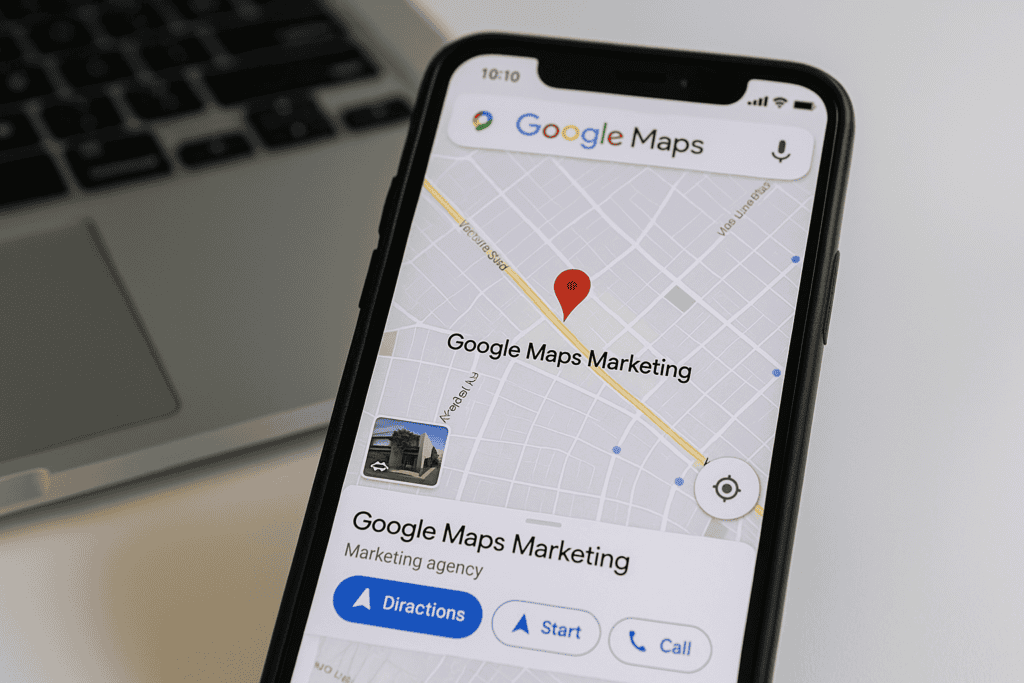
Local Keyword Research for Norfolk, Suffolk, and Wider Service Areas
Local keyword research identifies the exact phrases people use when they need a service in Norfolk, Suffolk, or a wider catchment area. Instead of relying on broad terms such as “plumber” or “solicitor”, focus on location-led queries that show clear intent, including town names, villages, and common local spellings. For example, “electrician Norwich”, “roof repairs Great Yarmouth”, and “accountant Lowestoft” often convert better because the searcher already wants a nearby provider. Include variations with “in” and “around” where they match local speech.
Service-area businesses also need keywords that reflect travel and coverage. Phrases such as “serving Wymondham and Attleborough” or “Norfolk and Suffolk” can support pages that explain where the business works, without creating thin pages for every settlement. Use real language customers use, including “near” terms, postcodes, and landmarks when relevant. Keep wording consistent with how the business describes its service radius.
To validate demand and refine wording, use trusted sources such as Google Keyword Planner and Google Trends. A Norfolk SEO Consultant can also map keywords to the right pages, so each service targets a clear area and avoids internal competition. Review results regularly to reflect seasonal demand and new local developments.
On-Page SEO Signals That Confirm Local Relevance
On-page SEO signals help search engines confirm that a page matches a local need. Clear location cues also reassure potential customers that a business serves their area, whether that means Norwich, King’s Lynn, Great Yarmouth, Thetford, or nearby villages. Strong on-page work supports map visibility, yet it also improves standard organic results where many local searches still begin.
Start with page titles and headings that pair the service with the place in plain language. A title such as “Boiler servicing in Norwich” sets an unambiguous context, while a supporting heading can narrow the focus to a district or service type. Keep wording natural and avoid repeating the same town name in every line, as that can reduce clarity.
Contact details should appear in a consistent, easy-to-find format. Place the business name, address, and phone number on the contact page and in the footer, then match those details to the Google Business Profile. Include opening hours where relevant, plus clear directions or parking notes when customers visit in person.
Service area pages work well when each page offers unique value. Describe how the service applies locally, reference typical property types or local conditions, and add practical information such as response times by postcode. When a business covers multiple towns, create separate pages only when each location has distinct demand and content.
Structured data (also called schema markup) gives search engines a standard way to read key facts. Use Schema.org types such as LocalBusiness, and include address, telephone, opening hours, and service area where appropriate. Testimonials, case studies, and locally relevant FAQs can strengthen trust, provided each item reflects real customer questions and genuine outcomes.

Local Citations and NAP Consistency Across UK Directories
Local citations are mentions of a business across online directories and platforms. Search engines use citations to verify that a company exists, operates where it claims, and serves local customers. For Norfolk firms, consistent citations can support visibility in map results and standard organic listings.
NAP consistency means keeping the same business Name, Address, and Phone number everywhere. Even small differences, such as “Road” versus “Rd”, an old postcode, or a call tracking number used in one place, can weaken trust signals. A single, agreed format reduces confusion for both search engines and customers.
- Audit key UK directories and local portals for incorrect or duplicate listings.
- Standardise NAP, opening hours, and website URL across every profile.
- Use the same primary business category where a directory supports categories.
- Remove duplicates and update legacy addresses after a move or rebrand.
Prioritise accuracy over volume. A smaller set of high-quality listings often outperforms dozens of low-value mentions. If map visibility remains a priority, align citation work with Google Maps SEO Services so directory data supports the same local signals shown on your website and business profile.
Earning Reviews and Building Trust for Local Rankings
Reviews influence both visibility and conversion. Search engines treat review signals as evidence of real customer activity, while prospective clients use recent feedback to judge reliability. For local rankings, quality, quantity, and recency all matter, yet consistency matters most. A steady flow of authentic reviews indicates ongoing service in Norfolk and nearby areas, which supports prominence in map results and local listings.
Focus on earning reviews through a simple, ethical process. Ask soon after a job completes, when the experience remains fresh. Use a direct link to your profile on Google Business Profile, and keep the request neutral so customers feel no pressure. Avoid incentives, as platforms may remove reviews that breach policy. A short prompt helps, such as asking the customer to mention the service and the town or village served, provided the wording remains natural.
Responses also shape trust. Reply to every review, including critical ones, with a calm and factual tone. Thank the reviewer, confirm the issue, and explain the next step without sharing personal details. That approach shows accountability to readers and sends engagement signals to platforms. When a complaint relates to a misunderstanding, clarify politely and invite the person to continue the conversation offline.
Trust extends beyond star ratings. Ensure your business details match across your website, directories, and profiles, and keep opening hours accurate during bank holidays and seasonal changes. Use photos that reflect your premises, team, or completed work, since visual proof reduces uncertainty for local customers. A clear review strategy, paired with consistent information, helps Norfolk businesses earn confidence and strengthen local ranking signals over time.
Local Link Building Through Norfolk Partnerships and PR
Local link building strengthens local SEO when Norfolk businesses earn relevant mentions from trusted local organisations. Search engines treat these links as signals of authority and place-based relevance, especially when the linking site also serves Norwich, King’s Lynn, Great Yarmouth, or nearby communities.
Partnerships often create the most natural opportunities. Sponsoring a local sports club, supporting a charity event, or collaborating with a Norfolk supplier can lead to a credited link on a partner page, a news update, or an event listing. Editorial coverage carries particular value, so a clear press angle helps. A milestone such as an expansion, a community initiative, or a data-led insight about local demand can give journalists a reason to feature the story.
Prioritise quality over volume. A small number of links from respected local publishers and institutions can outperform many low-value directory links. When contacting local media, follow the guidance from IPSO standards and provide verifiable facts, named spokespeople, and supporting assets such as images. Anchor text should read naturally, while the linked page should match the topic and location referenced. This approach builds visibility and reputation at the same time.
Measuring Local SEO Performance: Rankings, Calls, and Footfall
Measuring local SEO performance requires more than checking whether a business appears for a single keyword. Strong reporting connects visibility to outcomes such as calls, enquiries, bookings, and visits to a premises. A clear measurement plan also helps teams prioritise work that improves revenue, not only rankings.
Rank tracking should focus on location-specific searches, since results change by town, postcode, and device. Monitor a small set of high-intent terms that reflect services and service areas, then review movement over time rather than day-to-day fluctuations. Map visibility needs separate attention because Google’s local pack can drive a large share of clicks and calls. Use Google Business Profile performance data to review searches, profile views, website clicks, direction requests, and call clicks. When direction requests rise alongside stable rankings, local intent often strengthens even if organic positions remain unchanged.
Call and form tracking clarifies which pages and listings generate leads. Unique tracking numbers can help, yet businesses must keep NAP consistency across directories and the website. Where call tracking is essential, use a provider that supports number insertion on the website while keeping the primary number consistent in key citations. Pair lead tracking with basic quality checks, such as whether enquiries match target locations and services.
Footfall measurement suits shops, clinics, and hospitality venues. Direction requests, appointment bookings, and point-of-sale data can indicate offline impact. Some businesses also use “how did you hear about us?” prompts to validate which channels drive visits. When results stall, compare performance against competitors in the same area and review whether reviews, local links, or on-page location signals need strengthening. For tailored reporting and practical next steps, Get in touch with a Local Marketing Company.
Frequently Asked Questions
What is local SEO, and how does it help Norfolk businesses appear in Google search results?
Local SEO is the practice of improving a business’s visibility in location-based searches, such as “plumber in Norwich”. It helps Norfolk businesses appear in Google Search and Google Maps by strengthening signals such as a complete Google Business Profile, consistent contact details, relevant local pages, and genuine customer reviews. This increases local rankings and qualified enquiries.
Which Google Business Profile fields most affect local rankings for service-area businesses in Norfolk?
For service-area businesses in Norfolk, the strongest Google Business Profile ranking signals come from the primary category, accurate services, and consistent business name. A local phone number, verified address (hidden if required), and correct service areas also matter. Complete opening hours, strong reviews, and regular posts support relevance and trust.
How do consistent NAP details (name, address, phone number) improve local visibility across directories?
Consistent NAP details help search engines match a business across directories and maps, which strengthens trust and reduces confusion. Accurate listings improve the chance of appearing in local results and map packs. Consistency also prevents duplicate entries, supports correct routing of calls and visits, and reinforces location signals for relevant searches.
What types of customer reviews influence local SEO performance, and how should businesses respond to them?
Local SEO responds most to recent, frequent, detailed reviews on key platforms, with high ratings and relevant service or location terms. Verified reviews and owner replies also help. Businesses should thank positive reviewers, address issues calmly, offer a clear fix, and move sensitive details offline. Respond promptly and never argue or post fake reviews.
How can a business choose the right Norfolk-specific keywords without targeting terms that are too competitive?
Start with service-and-location phrases, then narrow to towns, villages, and neighbourhoods (for example, “emergency plumber Wymondham”). Add intent words such as “near me”, “open now”, or “price”. Check competitor pages and Google autocomplete for variations. Prioritise longer, specific queries with clear local intent, then test and refine using search performance data.
What local SEO metrics should Norfolk businesses track to measure growth in calls, visits, and enquiries?
Track metrics that link to actions:
- Google Business Profile: calls, website clicks, direction requests, and message enquiries.
- Local rankings: positions for “near me” and Norfolk location keywords.
- Organic traffic: sessions to service and location pages.
- Conversions: click-to-call, form submissions, and booking completions.
- Engagement: reviews volume, ratings, and response rate.