How Precision Plastic Engineering Strengthens UK Manufacturing: The Strategic Role of Conveyor Components
In a business climate defined by supply chain disruption, rising operational costs, and increasing automation demands, UK manufacturers are placing greater emphasis on efficiency, reliability, and long-term operational resilience. One of the most overlooked contributors to these goals lies not in robotics or digital transformation—but in the engineering plastics and precision components that keep production lines moving.
Conveyor systems, in particular, have become the backbone of modern manufacturing, playing a critical role in industries ranging from food production and pharmaceuticals to logistics, packaging, and general engineering. Yet the performance of these systems depends heavily on the plastic components that support, guide, and reduce friction across thousands of hours of continuous motion.
Among the organisations supporting this essential but often unseen infrastructure is SL Plastics, a UK manufacturer specialising in CNC-maching, conveyor components and high-performance engineering plastics. Their work offers a unique case study in how niche suppliers contribute strategically to the productivity and competitiveness of UK industry.
Why Conveyor Components Matter to the Wider Business Landscape
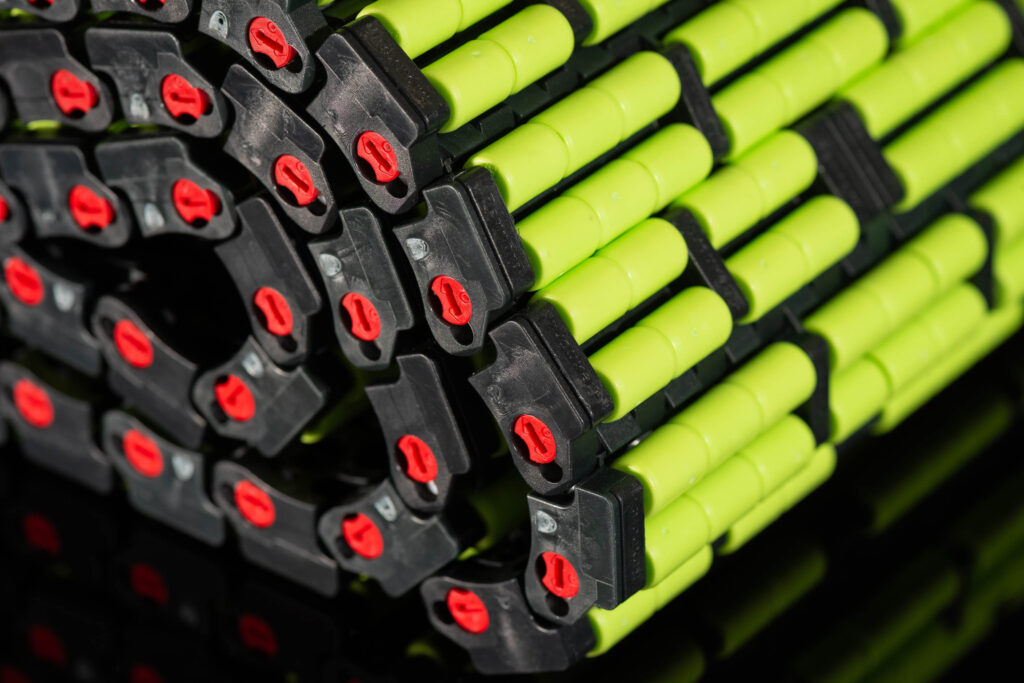
Conveyor systems are far more than mechanical equipment. They are a business enabler—supporting:
- consistent production throughput
- reduced labour dependency
- error minimisation in handling
- lower operational costs
- increased safety and hygiene compliance
When conveyor systems function smoothly, businesses benefit from predictable production rates and optimised staffing. When they fail, the impact is immediate:
- lost production hours
- increased maintenance costs
- missed deadlines
- contractual penalties
- operational bottlenecks
This is why high-quality conveyor components—particularly wear strips, chain guides, rollers, and slide profiles—are essential. A single component failure can cost far more than the part itself.
The Shift Toward Engineering Plastics in Modern Manufacturing
Many of today’s highest-performing conveyor systems rely on engineering plastics, which offer functional advantages over traditional metal components:
1. Reduced Friction and Energy Use
Low-friction plastics such as UHMW-PE and acetal reduce the load on conveyor motors, lowering operating costs and extending equipment life.
2. Increased Durability in High-Wear Environments
Engineering plastics can withstand constant abrasion, impact, and vibration without deforming, swelling, or corroding.
3. Improved Hygiene and Cleanability
Food-grade plastics comply with strict industry regulations and resist water, chemicals, and bacteria growth—vital for food, pharma, and packaging sectors.
4. Noise Reduction
Plastic guides and wear strips significantly reduce decibel levels, supporting ISO workplace noise compliance and improving employee wellbeing.
5. Lightweight and Easy to Install
Engineering plastics make installation and maintenance faster, safer, and more efficient due to their low weight and machinability.
SL Plastics: A Case Study in Specialist Manufacturing Excellence
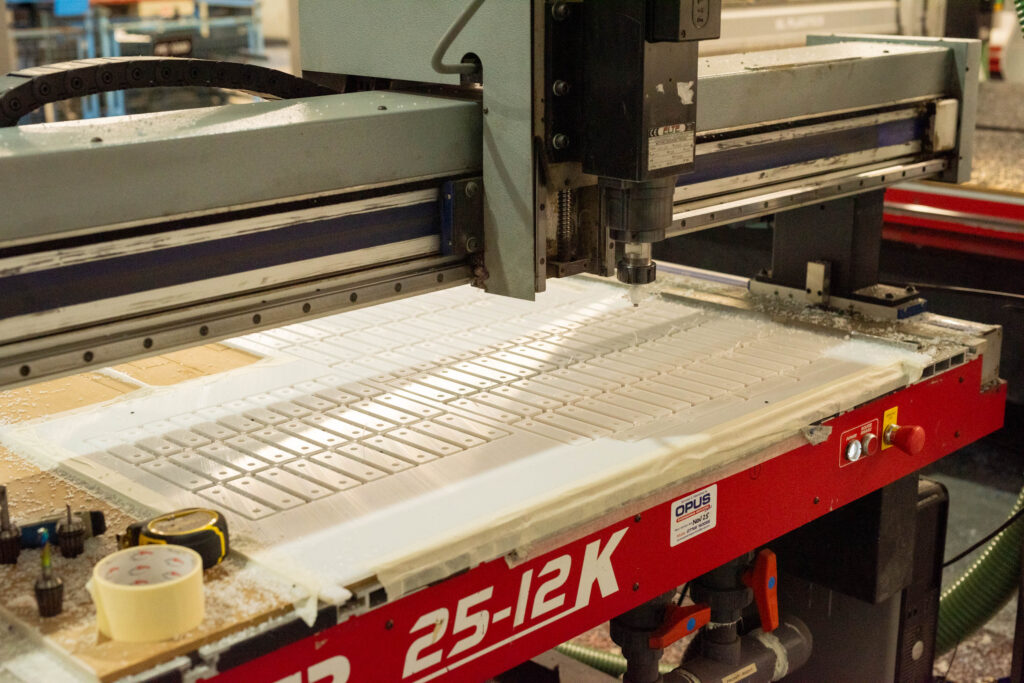
SL Plastics operates differently from high-volume manufacturers. Instead of producing mass-market items, they specialise in precision CNC-machined components, often custom designed for specific conveyor layouts or performance requirements.
Key strengths include:
- Bespoke components without moulds or tooling
- Deep expertise in polymer behaviour under load
- Ability to manufacture long-length profiles
- Fast turnaround for maintenance and replacement parts
- Close collaboration with engineers and production teams
This flexibility allows manufacturers to maintain uptime, even when dealing with legacy equipment, non-standard layouts, or specialist performance requirements.
Machined Plastics vs. Injection Moulding: A Business Perspective
Injection moulding dominates consumer plastics manufacturing—but conveyor parts often require something different.
Strengths of Injection Moulding
- Exceptional for high-volume identical parts
- Low per-unit cost at scale
- Highly repeatable dimensions and finish
Limitations for Conveyor Engineering
- High tooling investment
- Longer development lead times
- Not ideal for oversized or long components
- Material choice restricted by mould flow and shrinkage
This is why conveyor components are usually machined rather than moulded, especially when reliability, longevity, and customisation matter.
The Strategic Impact of Reliable Conveyor Component Suppliers
For UK manufacturers, partnering with a specialist supplier like SL Plastics provides measurable business benefits:
- Reduced Production Downtime – Better components minimise system failures.
- Greater Predictability – Reliable conveyors support accurate scheduling.
- Lower Total Cost of Ownership – Plastics reduce wear, energy use, and replacements.
- Custom Solutions – Machined plastics allow performance-driven optimisation.
- On-Demand Flexibility – Essential when supply chains are stretched.
In industries where every minute of lost production impacts profitability, this reliability becomes a strategic asset.
Conveyor Components and the Future of UK Industry
As British manufacturing evolves, several trends will increase demand for machined engineering plastics:
- Greater automation and high-speed production lines
- Stricter hygiene and compliance requirements
- Sustainability initiatives reducing material waste
- Hybrid manufacturing systems requiring bespoke components
Manufacturers who invest in durable, low-friction, and customisable conveyor components will be better positioned to remain competitive.
Conclusion
In a sector where innovation often takes centre stage, the reliability of manufacturing infrastructure can be just as important as new technology. Conveyor components might not be the most glamorous part of a factory, but they are among the most essential.
SL Plastics represents the type of specialist engineering partner that strengthens the wider UK manufacturing ecosystem, they are also main authorised dealers for System Plast And Rexnord Products —providing precision, flexibility, and durable performance through machined engineering plastics rather than traditional moulded solutions.
For business leaders focused on productivity, efficiency, and resilience, understanding the role of high-quality conveyor components is not simply an engineering concern—it’s a strategic one.